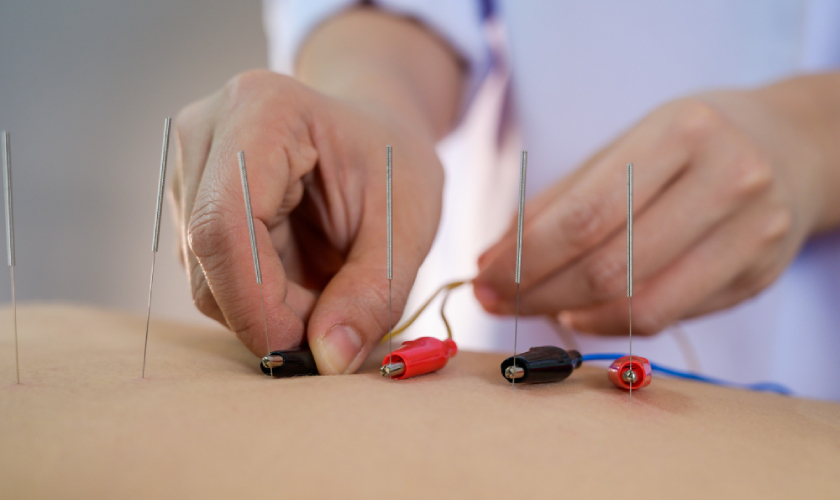
Leg pain does not always begin in the leg. A sharp, burning, tingling, or shooting sensation that travels from the lower back into the buttock, thigh, calf, or foot may be related to sciatica. This happens when nerves in the lower spine become irritated or compressed enough to send symptoms down the leg.
For people living or working in Manhattan, sciatica can interfere with sitting at a desk, walking to the subway, climbing stairs, exercising, and sleeping comfortably. Active Health Chiropractic helps patients understand spine-related pain patterns and identify whether symptoms may be connected to the lower back, hip, or leg.
This guide explains common symptoms, why the lower back can cause leg pain, when symptoms should be evaluated, and what conservative care may involve. If symptoms are affecting your routine, sciatica treatment in Manhattan may help you take the right next step.

What Is Sciatica?
Sciatica describes pain related to irritation of the sciatic nerve or the nerve roots that form it. These nerves begin in the lower back and travel through the buttocks and legs. When one of them becomes irritated, pain may follow the nerve pathway instead of staying in one small area.
Sciatica often feels different from ordinary soreness. A muscle strain may feel tight, tender, or achy near one area. Sciatic nerve pain may feel sharp, electric, burning, or radiating. Some people also notice numbness, tingling, or weakness in the leg or foot. At times, leg pain feels stronger than back discomfort, which is why the source can be missed.

How Lower Back Issues Can Cause Leg Pain
The lower back is connected to the hips, buttocks, thighs, calves, and feet through the nervous system. Nerves exit the lumbar spine and carry signals to the lower body. When these nerves are irritated, the brain may interpret the signal as pain, tingling, numbness, or weakness along the leg.
This is the reason many people describe a leg pain lower back connection. The pain may start near the beltline or buttock, then move down the back or side of the thigh. It may continue into the calf, ankle, or foot.
Disc irritation, joint restriction, spinal narrowing, muscle tension, long sitting, poor lifting habits, and sudden twisting may aggravate symptoms. A professional exam can help determine whether sciatica treatment in Manhattan is appropriate.

Common Sciatica Symptoms to Watch For
The most common sign is pain that travels from the lower back, buttock, or hip into one leg. It may move down the back of the thigh, along the outside of the leg, into the calf, or toward the foot.
Sciatica may feel like a shooting pain, electric shock, deep burning sensation, or sharp line of pain down the leg. It may worsen when sitting, bending forward, coughing, sneezing, or standing after rest. Numbness and tingling are also common.
Weakness is more concerning. If the foot feels heavy, the leg feels unstable, or walking becomes difficult, symptoms should be assessed promptly. A sciatica chiropractor in NYC may evaluate whether the lower back is contributing to the problem.

Sciatica vs. Other Types of Leg Pain
Not every case of leg pain is sciatica. A calf strain, hamstring injury, knee issue, hip condition, or foot problem can also cause lower body pain. A muscle strain usually stays near the injured tissue and may feel sore when pressed, stretched, or used. Hip-related pain may appear in the groin, outside hip, or upper thigh.
Sciatica often follows a longer path. The pain may travel from the back or buttock into the leg and may change with spinal position. Because symptoms can overlap, an exam helps identify whether sciatica treatment in Manhattan is the right direction.
When Leg Pain May Be Coming From the Lower Back
Leg pain may be related to the lower back when it begins near the spine, buttock, or back of the hip and travels downward. This type of pain often follows a line rather than staying in one spot.
Another clue is pain that changes with posture. Sitting for a long time may make symptoms worse. Bending, lifting, or twisting may trigger a sharp sensation down the leg.
The leg pain lower back relationship can also appear when the leg hurts more than the back. If pain travels below the knee, includes tingling or numbness, or keeps returning, sciatica treatment in Manhattan may be worth considering.
When Sciatica Symptoms Should Not Be Ignored
Mild sciatica symptoms may improve with time, movement changes, and conservative care. However, pain that lasts more than a few days, keeps getting worse, or limits normal activity should be evaluated. This is especially important if pain affects walking, work, sleep, or exercise.
Numbness, tingling, or weakness should be taken seriously because these symptoms suggest nerve involvement. If they spread, intensify, or interfere with balance or walking, professional assessment is important.
Some symptoms need urgent medical attention. Seek immediate care if you experience sudden leg weakness, loss of bowel or bladder control, numbness in the groin or saddle area, severe worsening pain, or symptoms after a serious fall, accident, or injury.
How a Chiropractor Evaluates Sciatica Symptoms
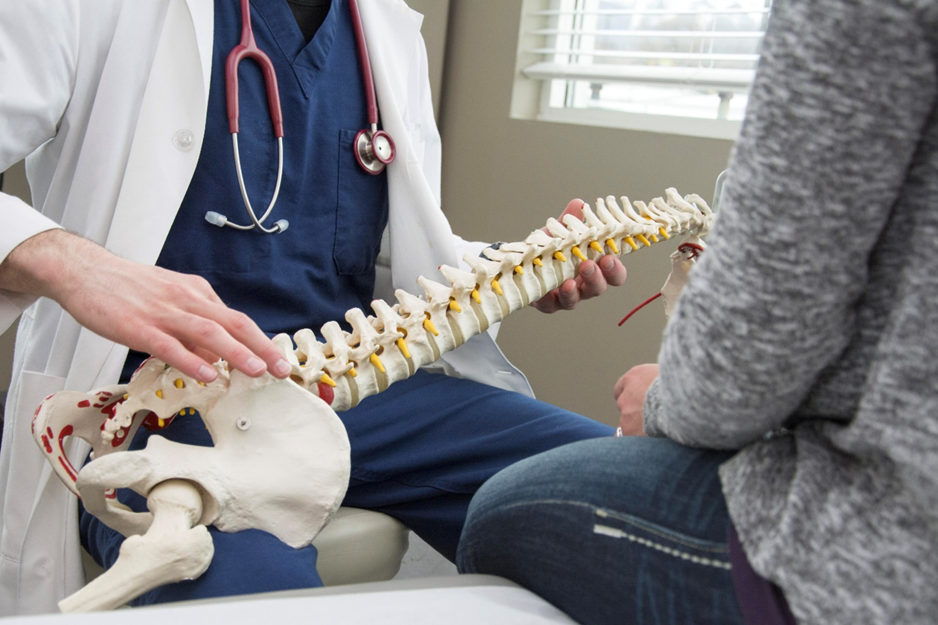
A chiropractic evaluation usually starts with a detailed conversation about where the pain starts, how far it travels, what movements make it better or worse, and whether numbness, tingling, or weakness is present.
The exam may include posture review, range of motion testing, walking assessment, orthopedic testing, neurological screening, and functional movement checks.
At Active Health Chiropractic, the evaluation may consider daily habits, work posture, exercise routines, and recovery goals. This approach helps connect symptoms to the way a person actually moves and lives in Manhattan. Not every patient needs imaging right away, but referral or imaging may be recommended when symptoms suggest a more serious issue.

Conservative Care Options for Sciatica Treatment in Manhattan
Conservative care focuses on reducing irritation, improving movement, and helping the body tolerate daily activity better. The exact plan depends on the cause, severity, and pattern of symptoms.
Chiropractic care may include gentle spinal or joint adjustments to support mobility and reduce mechanical stress. Manual therapy may address soft tissue tension in the lower back, hips, glutes, or surrounding muscles. Exercise rehabilitation may improve core control, hip mobility, glute strength, and lower back tolerance.
Movement education is also important. For people seeking sciatica relief in Manhattan, sciatica treatment in Manhattan should account for sitting habits, commuting, stairs, walking, and long workdays.
Sciatica treatment in Manhattan should not focus only on short-term pain reduction. It should also help patients understand triggers and move with more confidence.
What You Can Do Before Your Appointment
Before your appointment, track where pain starts, where it travels, how intense it feels, and which activities make it better or worse. Avoid long periods of complete rest unless a provider has told you to rest. Gentle walking or light movement may help some people, as long as symptoms do not worsen. Modify activities that clearly trigger pain, such as heavy lifting, repeated bending, long sitting, or aggressive stretching that sends pain down the leg.
How Sciatica Can Affect Daily Life in Manhattan
Sciatica can be especially disruptive in Manhattan because daily routines often require movement. Walking to appointments, standing on subway platforms, climbing stairs, sitting through long workdays, and carrying bags can all become difficult when nerve pain travels down the leg.
This is why care should be practical. A treatment plan should consider how the pain affects your real routine, not just how it feels during an exam. Patients looking for sciatica relief in Manhattan often need a plan that combines symptom management, movement correction, and realistic daily modifications.
When to Book a Professional Evaluation
You should consider a professional evaluation when leg pain continues, keeps returning, or limits daily activities. If pain affects walking, work, exercise, sleep, or confidence with movement, it is worth identifying the cause.
You should also seek help when symptoms travel below the knee, include numbness or tingling, feel sharp or electric, or change with lower back movement.
A professional exam can clarify whether your pain is related to sciatica, a hip issue, a muscle strain, or another condition. If you are unsure what is causing your symptoms, Schedule a chiropractic evaluation. A clear assessment can help you decide whether sciatica treatment in Manhattan is the right path for your symptoms.
FAQ Page Section
What does sciatica pain feel like?
Sciatica pain may feel sharp, burning, shooting, electric, or tingling. It often travels from the lower back or buttock into one leg. Some people also notice numbness, pins and needles, or weakness in the leg or foot.
Can sciatica cause leg pain without lower back pain?
Yes. Some people feel most of the pain in the buttock, thigh, calf, or foot, even when the irritated nerve starts in the lower back. This is why an evaluation should look at the spine, hip, and leg together.
How do I know if my leg pain is sciatica?
Leg pain may be sciatica if it travels down one side, feels sharp or electric, goes below the knee, or comes with tingling, numbness, or weakness. A professional exam is the best way to identify the likely source.
When should I see a chiropractor for sciatica symptoms?
You should consider seeing a chiropractor when symptoms last more than a few days, keep returning, affect walking or sitting, or include numbness, tingling, or weakness.
Is walking good for sciatica?
Gentle walking may help some people because it keeps the body moving and can reduce stiffness. However, if walking increases leg pain, numbness, or weakness, stop and seek evaluation.
What symptoms need urgent medical attention?
Seek immediate medical care if you have sudden leg weakness, loss of bowel or bladder control, numbness in the groin or saddle area, severe worsening pain, or symptoms after a serious injury.
Can chiropractic care help with sciatica symptoms?
Chiropractic care may help some patients by improving spinal mobility, addressing soft tissue tension, guiding rehabilitation, and teaching movement strategies. The right approach depends on the cause and severity of symptoms.
Conclusion
Leg pain may start in the lower back when irritated nerves send pain, tingling, numbness, or weakness into the buttock, thigh, calf, or foot. Sciatica can feel different from ordinary soreness because it often travels, burns, shocks, or changes with posture and movement.
The most important step is understanding the source of pain. Treating only the leg may miss the real issue if the lower back is involved. A focused evaluation can help identify the pattern and guide conservative care.
Active Health Chiropractic helps Manhattan patients understand sciatica symptoms and build care plans that support pain relief, better movement, and daily function. If leg pain is interfering with your routine, Schedule a chiropractic evaluation and take the next step toward moving with more confidence.