Back pain can interrupt work, sleep, exercise, commuting, and normal movement. For many Manhattan residents, it begins as stiffness after long hours at a desk, soreness after a workout, or discomfort after standing and walking through the city. Sometimes it improves with gentle movement and rest. Other times, it keeps returning or starts affecting how you sit, stand, bend, lift, or sleep.
Knowing when to see a chiropractor for back pain in Manhattan can help you avoid unnecessary discomfort and delayed recovery. Mild pain may not always need professional care right away, but persistent, recurring, or radiating symptoms should be evaluated. Active Health Chiropractic helps patients understand how movement, posture, joint function, and daily habits may contribute to back pain, then builds care around each patient’s goals.
Why Back Pain Is Common in Manhattan

Manhattan life places constant demands on the body. Many people sit for long hours, work on laptops, commute by subway, walk several blocks daily, climb stairs, carry bags, and still try to stay active. These habits are not always harmful, but repeated strain and limited recovery can contribute to back pain.
Desk work is a common trigger. Sitting for long periods can tighten the hips, reduce spinal movement, and increase pressure across the lower back. Forward head posture and unsupported seating can also contribute to upper and mid back discomfort.
Commuting and fitness can add more stress. Standing on trains, rushing through stations, carrying a heavy backpack, lifting, running, cycling, or doing high-intensity training can expose mobility restrictions or strength imbalances. A chiropractor for back pain in Manhattan can assess whether symptoms are linked to joint restriction, muscle tension, nerve irritation, posture, or movement habits.
When Back Pain May Improve on Its Own

Not every episode of back pain requires immediate treatment. Mild soreness after a workout, temporary stiffness from sitting, or discomfort after unusual activity may improve within a few days. Gentle walking, light stretching, heat or cold therapy, hydration, and avoiding painful movements can support recovery.
The key is progress. If pain is decreasing, movement is improving, and daily activities are becoming easier, careful self-management may be reasonable. Staying completely inactive is usually not helpful for simple back soreness.
However, waiting too long can be a problem when pain is not improving. If discomfort remains the same, worsens, spreads, or changes how you move, it may be time for an evaluation. Back pain that returns after work, exercise, commuting, or sleep often needs more than short-term rest.
Signs You Should See a Chiropractor

You should consider seeing a chiropractor for back pain in Manhattan when symptoms last more than a few days and do not clearly improve. Lingering pain may suggest that the affected joints, muscles, discs, or nerves need a closer look.
Recurring pain is another sign. If your back feels better for a short time but flares again after sitting, lifting, walking, or exercising, the issue may be related to mechanics rather than a one-time strain. Pain that limits daily function should also be evaluated. This includes difficulty sitting through meetings, standing in line, walking comfortably, bending, lifting groceries, or sleeping through the night.
Radiating symptoms are especially important. Pain that travels into the hip, glute, thigh, calf, or foot may involve nerve irritation. Some people describe tingling, numbness, burning, or an electric sensation. These symptoms do not always mean a serious condition, but they should be assessed carefully.
You may also benefit from care after an injury. Falls, sudden twisting, heavy lifting, gym injuries, sports incidents, and car accidents can create pain that develops immediately or gradually. If symptoms persist after an injury, a back pain chiropractor in NYC can evaluate your movement and help determine the next step.
When You Should Seek Medical Care First
Chiropractic care can be helpful for many musculoskeletal back pain concerns, but some symptoms require medical evaluation first. Seek urgent medical care if back pain is linked with loss of bladder or bowel control, numbness in the groin area, severe or worsening leg weakness, fever, unexplained weight loss, history of cancer, serious infection risk, or major trauma.
These warning signs may point to conditions that need immediate medical attention. If any are present, do not delay care.
What a Chiropractor Looks for During an Evaluation

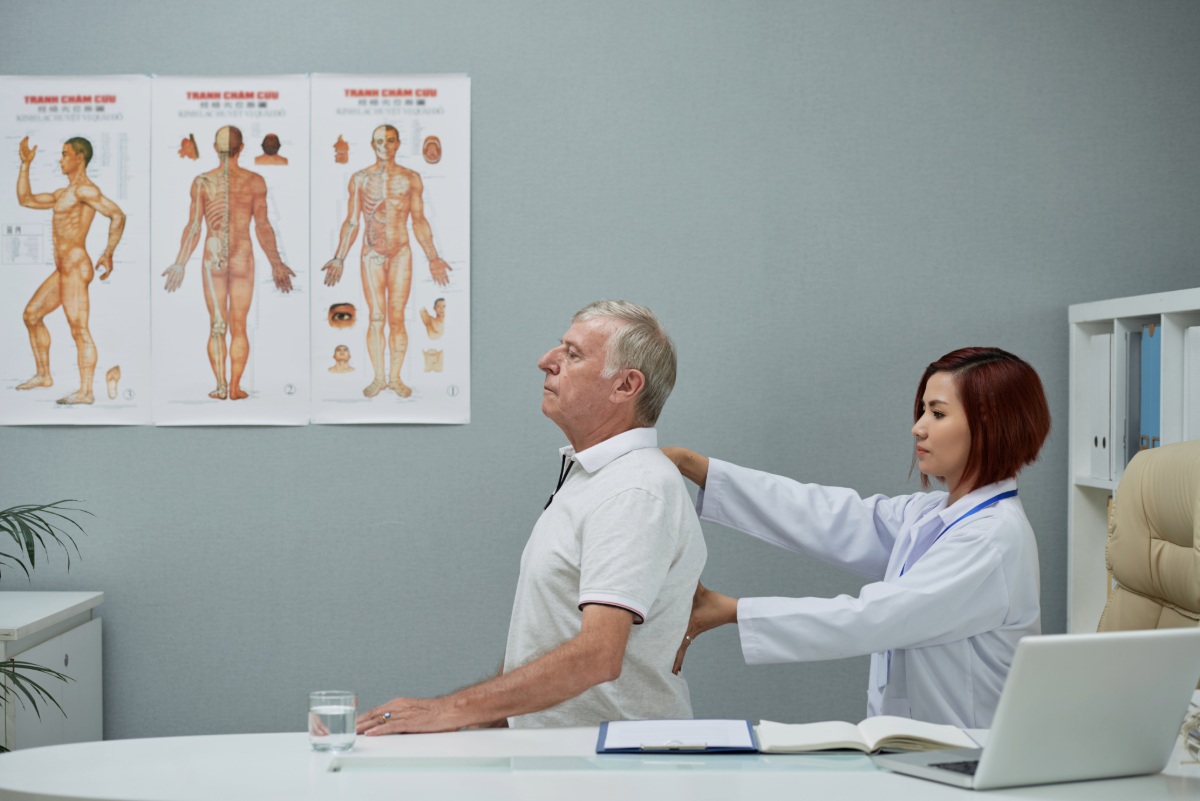
A chiropractic visit should begin with a detailed conversation. The provider may ask when the pain started, where it is located, what makes it better or worse, and whether it travels into the legs. Work habits, exercise routines, sleep position, previous injuries, and health history can all provide useful clues.
The physical assessment may include posture review, range of motion testing, orthopedic tests, muscle strength checks, and neurological screening when appropriate. The goal is to understand how your spine, hips, muscles, and nerves are functioning together.
Active Health Chiropractic uses this information to connect symptoms with real-life goals. For one patient, the goal may be sitting comfortably through the workday. For another, it may be returning to weight training, running, yoga, cycling, or long city walks without repeated flare-ups.
How Chiropractic Care May Help Back Pain

Chiropractic care may include several treatment methods depending on the patient’s condition. Adjustments may be used to improve joint mobility and reduce stiffness. Manual therapy can address tight or irritated soft tissues. Mobility work may help restore motion in areas that are not moving well.
For many patients, exercise and rehabilitation are just as important as hands-on treatment. Corrective exercises can improve strength, stability, coordination, and control.
Education is also part of effective care. Patients may receive guidance on desk setup, standing breaks, lifting technique, sleep position, exercise modifications, and ways to manage early warning signs. This makes chiropractic care in NYC more practical for people who need solutions that fit demanding schedules and active routines.
A chiropractor for back pain in Manhattan may also help patients understand whether their symptoms are best managed with chiropractic care, rehabilitation, medical referral, or a combination of approaches.
Chiropractic Care vs. Waiting It Out
Waiting may be reasonable when back pain is mild, recent, and improving. If you feel sore after moving furniture or trying a new workout and the discomfort improves over two or three days, basic self-care may be enough.
Seeing a chiropractor becomes more important when pain stays the same, worsens, keeps returning, or limits normal activity. The decision should be based on function, not only pain intensity. Some people tolerate pain for weeks because it is not severe, but they stop exercising, sit differently, walk differently, or avoid certain movements.
If you are unsure whether to wait or schedule an evaluation, ask whether your pain is improving and whether you are moving normally. If the answer is no, low back pain treatment in Manhattan may help you get clearer answers and a structured recovery plan.
What Manhattan Patients Can Expect From a Visit
A chiropractic visit for back pain usually starts with a discussion of symptoms, lifestyle, and goals. You should be prepared to describe when pain started, where it travels, what activities make it worse, and what you have already tried.
The assessment may include movement testing, spinal and hip mobility checks, muscle testing, and screening for nerve-related signs. Treatment may include adjustments, soft tissue therapy, guided exercises, mobility work, and home care recommendations.
Progress should be measured by more than pain relief. Better movement, improved sitting tolerance, fewer flare-ups, stronger activity confidence, and better sleep are all meaningful signs. A chiropractor for back pain in Manhattan should also help you understand what to avoid temporarily and how to return to activity safely.
How to Prevent Back Pain From Returning
Back pain prevention starts with movement variety. If you sit most of the day, take short standing or walking breaks. Change position often, stretch gently, and avoid staying in one posture for hours.
Strength also matters. The lower back works best when the hips, core, and surrounding muscles provide support. Exercises that build control and stability can reduce repeated strain. Daily habits can also protect your back, including a supportive chair, comfortable screen height, even bag carrying, warmups before workouts, and gradual training increases.
A chiropractor for back pain in Manhattan can help identify which habits are most relevant to your symptoms and which changes are likely to make the biggest difference.
FAQ Page Section
When should I see a chiropractor for back pain?
You should see a chiropractor if back pain lasts more than a few days, keeps returning, limits daily activity, affects sleep, or travels into the hip, glute, or leg.
Can a chiropractor help with back pain from sitting all day?
Yes. Chiropractic care may help when sitting-related pain is connected to stiffness, poor posture, muscle tension, limited hip mobility, or spinal joint restriction.
Is lower back pain after exercise normal?
Mild soreness after a new workout can be normal. Sharp pain, recurring pain, pain that changes your movement, or pain that travels into the leg should be evaluated.
Should I see a chiropractor or a doctor for back pain?
A chiropractor may be appropriate for many mechanical back pain issues. Seek medical care first if pain follows major trauma or includes fever, unexplained weight loss, severe weakness, bladder or bowel changes, or numbness in the groin area.
What happens during a chiropractic visit for back pain?
The visit usually includes a symptom review, movement assessment, posture evaluation, physical testing, and a discussion of your goals. Treatment may include adjustments, soft tissue work, exercise recommendations, mobility training, and home care guidance.
How many visits are needed for back pain?
The number of visits depends on the cause, severity, duration, and your response to care. Some people improve quickly, while others need a longer plan with rehabilitation, strengthening, and movement retraining.
Can chiropractic care help prevent back pain from coming back?
Chiropractic care may help reduce recurring back pain when it includes movement education, strength work, mobility training, and strategies to reduce repeated strain.